The Development of Sliding Doors: From Classic to Contemporary Styles
The progression of sliding doors highlights a notable shift in design and functionality throughout the centuries. From decorative wooden frameworks in historic castles to contemporary, elegant glass panels, these doors have evolved with evolving preferences and advancements. This journey reflects broader architectural trends and innovations in materials. Grasping this development can guide decisions for modern spaces and elevate everyday living, prompting a closer look at how these elements can redefine the concept of home.
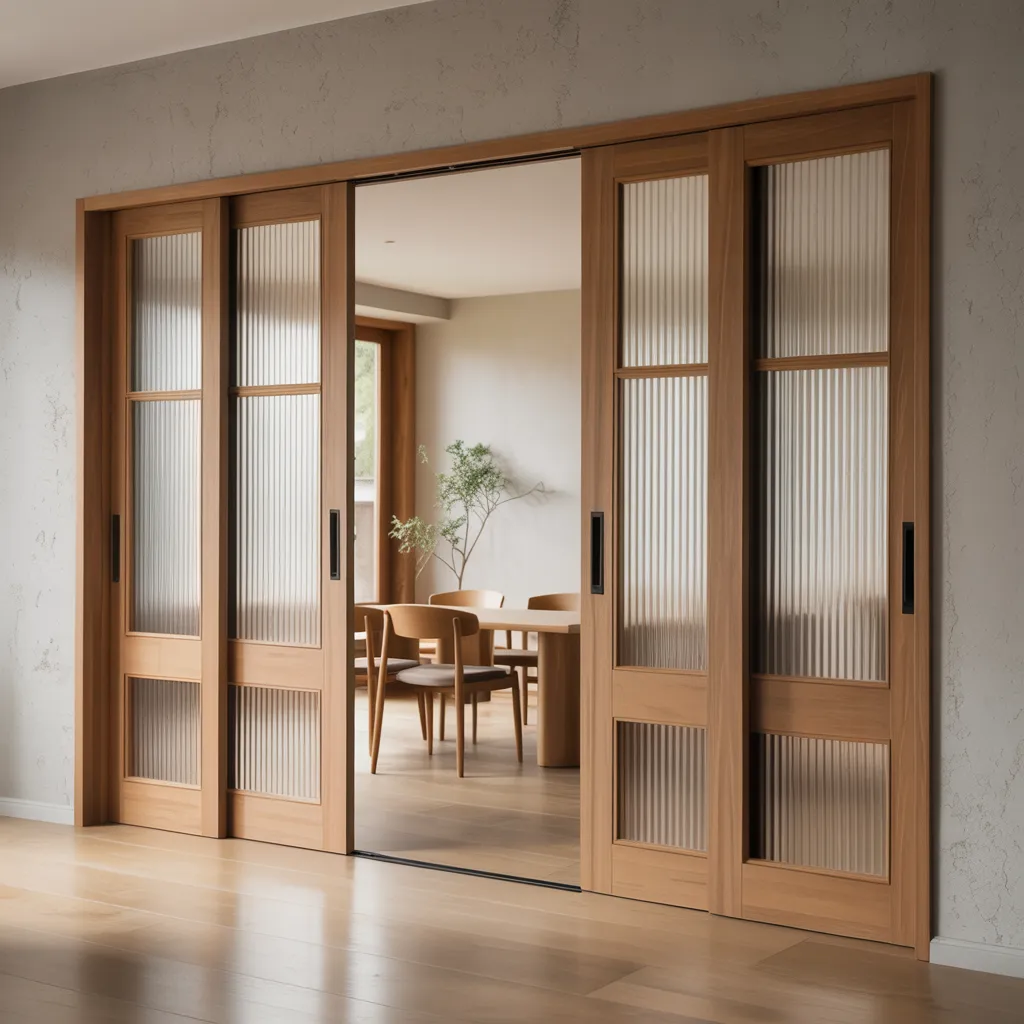
Modern Innovations in Sliding Door Technology
Sliding door technology has experienced remarkable advancements, elevating both practicality and design. Modern innovations focus on improving user experience through advanced materials and design. Advanced glass solutions, such as high-performance variants, deliver enhanced insulation and UV shielding, contributing to energy efficiency while maximizing natural light. Moreover, smart system integration facilitates automated sliding mechanisms, often controlled via smartphone apps, enhancing convenience.
Furthermore, modern sliding doors employ refined, modern frames that work with diverse architectural styles, making them suitable for homes and businesses alike. Advanced tracks and roller systems guarantee more fluid operation, decreasing long-term wear and tear. Customization options, including various finishes and colors, allow homeowners to tailor doors to their personal tastes.
These innovations not only elevate the visual attractiveness of areas but also guarantee durability and efficiency, reflecting a shift towards modern living that prioritizes both style and practicality in the design of sliding doors.
The Evolution and History of Sliding Doors
While frequently linked to contemporary design, the history of sliding doors stretches back millennia. Early societies, such as the Japanese and Chinese, built sliding doors known as “fusuma” and “shoji,” utilizing lightweight materials like rice paper and wood. These designs allowed for adaptable room layouts and smooth indoor-outdoor transitions.
In the Roman Empire, sliding mechanisms underwent further development, chiefly to serve convenience in densely used public areas. The utilization of doors designed to slide open in place of swinging, gained practicality in densely populated areas.
Throughout the Medieval period, sliding doors reappeared in the architecture of Europe, commonly used as ornamental features in castles and grand homes. In the nineteenth century, the Industrial Revolution made possible the large-scale production of sliding doors, resulting in their integration into residential and commercial structures. This rich history underscores the lasting popularity and practical benefits of sliding doors throughout various cultures and time periods.
Sliding Door Materials Compared: Then and Now
With the evolution of architectural styles, so too did the materials used for sliding doors, reflecting advancements in technology and design preferences. Historically, sliding doors were primarily crafted from wood, leveraging its inherent beauty and widespread availability. Nevertheless, wood's tendency to warp and weather over time led to a pursuit of more resilient alternatives.
In modern design trends, materials such as aluminum, fiberglass, and composite options have gained popularity. Aluminum provides a sleek, modern aesthetic while offering outstanding durability and resistance to corrosion. Fiberglass, alternatively, combines energy efficiency with the look of wood, needing reduced maintenance and offering enhanced weather resistance. Additionally, glass has become a leading option, allowing for seamless indoor-outdoor shifts and optimizing natural light intake.
This advancement in materials signifies a move toward utility and sustainable practices, giving homeowners the ability to consider alternatives that satisfy both design preferences and summary performance demands.
Choosing Classic Sliding Door Styles for Your Home
Classic sliding door styles offer a lasting elegance, seamlessly integrating with diverse interior styles. Frequently made from natural wood, these doors exude warmth and elegance, making them suitable for classic and contemporary spaces alike. Well-known styles feature the barn door style, which evokes rustic charm, alongside the pocket door, designed to optimize room space while preserving an elegant look.
Choosing glass panels can improve natural lighting and establish an airy feel, making them ideal for connecting indoor and outdoor spaces. Additionally, decorative fixtures, such as antique-style handles and copyrights, can elevate the classic look, lending a one-of-a-kind personality to the home.
When selecting timeless sliding door designs, residents should take into account design features and color palettes to ensure consistency throughout their home. By choosing traditional styles, homeowners can achieve an elegant and welcoming atmosphere that honors both utility and design excellence.
How to Select the Right Sliding Door for Your Space
Choosing the right sliding door involves careful evaluation of both materials and aesthetics. Strength is important, as the chosen material should handle daily use while enhancing the overall aesthetic. Aligning the sliding door's design with present design elements produces a harmonious look that improves the space.
Material Factors For Long-Lasting Performance
Durability is a critical factor when selecting sliding doors, as the right material can greatly influence performance and lifespan. Frequently used materials consist of aluminum, wood, vinyl, and fiberglass, each providing unique advantages. Wood provides aesthetic appeal but often demands consistent upkeep to avoid warping. Fiberglass is recognized for its durability and weather resistance, rendering it a great option across different climates. Aluminum provides a contemporary appearance and remains lightweight, however it can transfer heat and cold. Vinyl is low-maintenance and energy-efficient, making it a preferred option for home installations. In the process of selecting a sliding door, consider environmental exposure and usage frequency to guarantee the chosen material meets durability needs while complementing functional requirements.
Coordinating Style With Your Décor
Selecting the perfect sliding door can considerably elevate the overall aesthetic of a room. To achieve style harmony, one must evaluate the existing design and architectural elements. For contemporary settings, streamlined, minimalist designs with materials like glass and metal pair well with modern furnishings. In contrast, classic spaces are enhanced by wooden doors showcasing elaborate craftsmanship or classic finishes. Color also plays a vital role; doors should either harmonize or stand out boldly with adjacent walls, furniture, and decorative elements. For varied interiors, bold patterns or unique textures can function as design highlights. In the end, the preferred sliding door should not only function well but also complement the general style of the room, ensuring a cohesive and inviting atmosphere.
How Modern Sliding Doors Transform Indoor-Outdoor Living
Today's sliding doors considerably elevate indoor-outdoor living by fluidly integrating interior spaces with the natural environment. These expansive glass panels offer clear, uninterrupted vistas, allowing natural light to flood into living areas while forming a scenic connection to outdoor environments. In today's design concepts, slim frames maximize glass surfaces, making spaces feel larger and more open.
Usability is another critical factor; most sliding doors function seamlessly, enabling effortless transitions between interior and exterior spaces. This quality supports a more versatile daily routine, facilitating entertaining and everyday activities in a unified space. Moreover, advanced materials deliver superior insulation and safety, maintaining ease and safety without detracting from overall appearance.
Outdoor furniture and landscaping can be seamlessly combined, forming a unified space that promotes leisure and social connection. In the end, contemporary sliding doors not only enhance the visual charm of a residence but also encourage a way of life that celebrates the outdoors and fresh-air experiences.

Questions We Often Hear
What Is the Typical Price Range for Sliding Door Installation?
The typical costs of installing sliding doors typically range from $1,000 to $2,500, based on materials, dimensions, and installation requirements. Homeowners need to factor in supplementary expenses like hardware and any necessary structural modifications.
How Should I Maintain Sliding Doors Over Time?
Regular maintenance of sliding doors requires removing debris from tracks, lubricating rollers, checking seals for wear, and correcting alignment issues. Verifying correct operation demands routine evaluations to prevent dirt buildup and maintain smooth operation over time.
Are Sliding Doors Energy-Efficient Options?
Sliding doors can be environmentally friendly, especially when equipped with double or triple-pane glass. Correct installation and weather sealing improve their efficiency, minimizing heat loss and making them an ideal option for energy-aware homeowners.
Are Sliding Doors Available in Custom Options for Unique Spaces?
Sliding doors can indeed be customized to fit unique spaces. Numerous materials, sizes, and designs provide personalized options, making certain they fulfill both decorative and operational demands, improving the overall charm of any setting.
What Safety Features Are Important for Sliding Doors?
When picking out sliding doors, you should evaluate features like impact-resistant tempered glass, robust locking systems to deter unauthorized access, reinforced anti-lift tracks to discourage tampering, and protective sensors to prevent unintended closures.